Solid Bearing Walls Start Below Grade
Concrete Foundation in New Baltimore for new construction footings, basement walls, and load-bearing support systems
MOTZ CONSTRUCTION LLC pours concrete foundations for new residential construction, additions, and standalone structures across New Baltimore. You hire a foundation contractor when you need a stable base that transfers building loads into the soil without settling, when local codes require frost-protected footings, or when you are adding a room that must tie into an existing basement wall. This service delivers the below-grade structure that supports framing, prevents water infiltration, and meets engineering specifications for your specific soil type and building size.
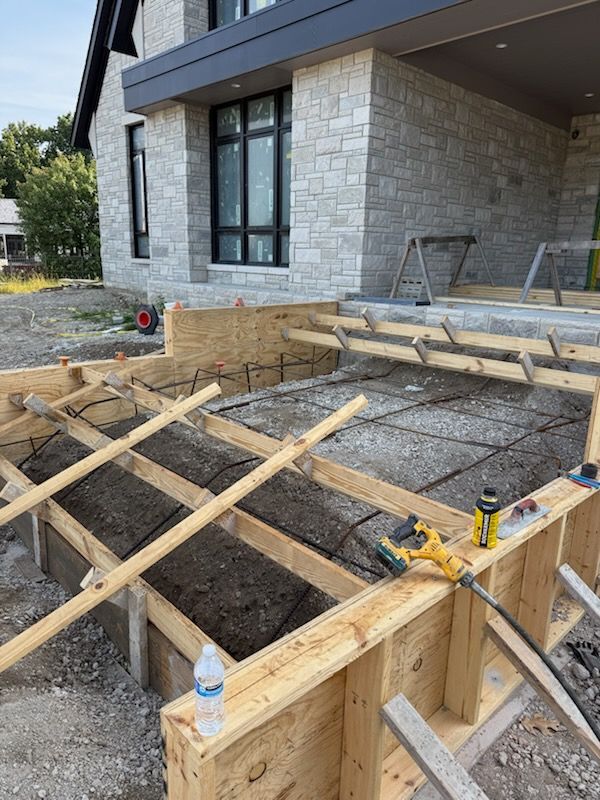
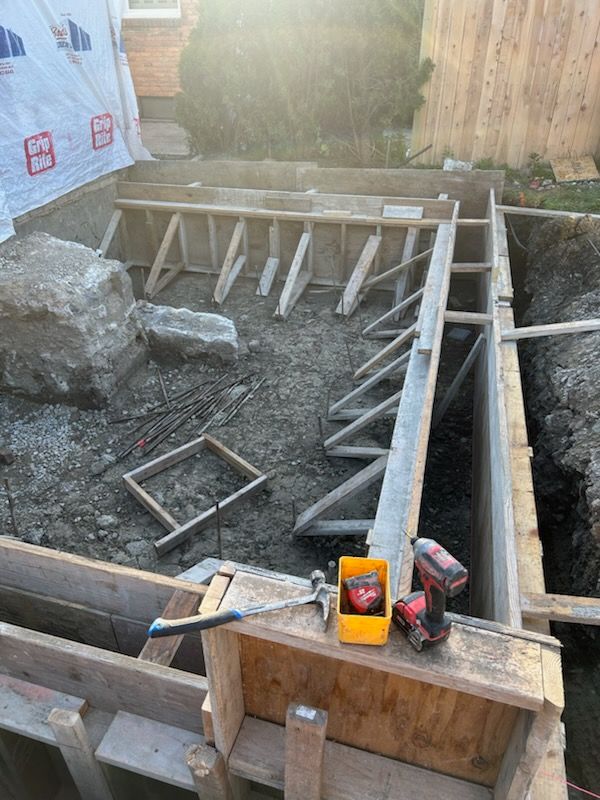
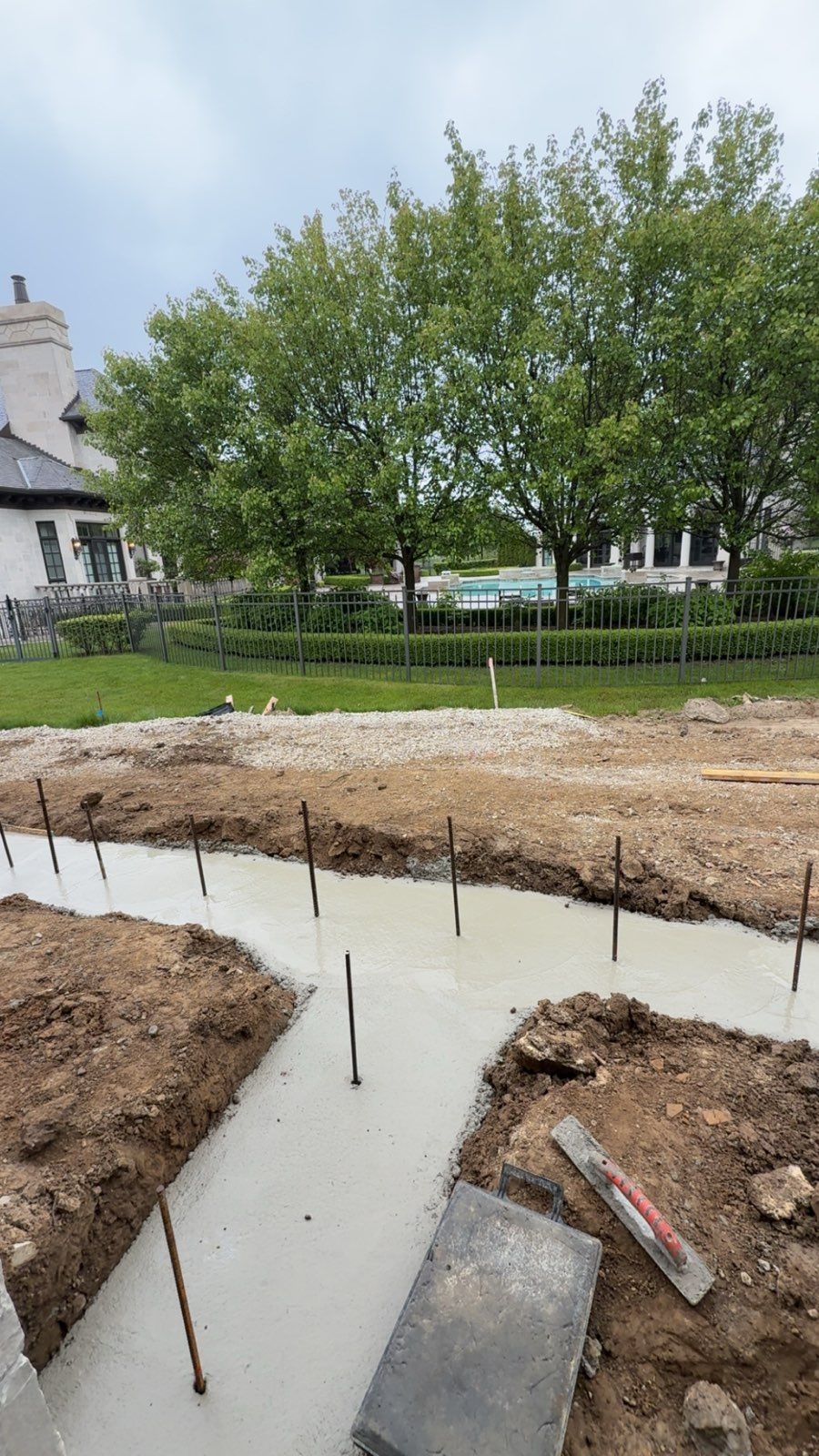
Foundation work begins with excavation to the depth specified by engineering drawings and local frost line requirements, typically 42 inches below finished grade in this region. The contractor installs formwork for footings, places rebar or mesh reinforcement according to the structural plan, and pours the footings first to create a stable base. Once footings cure, wall forms are erected, and vertical rebar is tied to dowels protruding from the footing. The wall pour follows, creating a monolithic bond between footing and wall that resists lateral soil pressure and prevents cracking at the joint.
Contact the team to review site conditions, building plans, and the foundation design that matches your project scope.
What Happens After the Forms Come Off
You work from engineered drawings that specify wall thickness, footing width, and reinforcement schedules based on soil bearing capacity and building loads. The contractor coordinates with excavation crews to ensure trench walls remain stable and footings rest on undisturbed soil rather than backfill. If you encounter clay or sandy soil with low bearing capacity, the engineer may call for wider footings or additional steel to distribute weight over a larger area.
After the pour, you see walls that stand plumb and uniform in thickness, with anchor bolts positioned at intervals that match your sill plate layout. MOTZ CONSTRUCTION LLC strips forms once the concrete reaches sufficient strength, then applies waterproofing membrane to the exterior face of the wall before backfilling. You notice that window wells, utility penetrations, and drainage tile sleeves are cast into the wall during the pour, eliminating the need to core drill through cured concrete later. The top of the wall is level and clean, ready to receive treated sill plates and floor framing.
Waterproofing and drainage are not optional steps. The contractor installs a perforated drain tile along the footing perimeter, wraps it in filter fabric, and surrounds it with washed gravel to prevent soil from clogging the pipe. This system directs groundwater away from the foundation rather than allowing hydrostatic pressure to build against the wall. If your lot has a high water table or poor surface drainage, a sump basin and interior drainage may be added to manage water that migrates through the floor slab.
Understanding Foundation Requirements
Builders and homeowners in New Baltimore frequently have questions about timing, inspections, and how foundations interact with site conditions.
How long do you wait between pouring footings and pouring walls?
Footings need at least 24 hours of initial cure time before wall forms are installed, though contractors often wait longer to ensure the footing can support the weight of workers and wet concrete without deflecting.
What happens if it rains during the foundation pour?
Light rain does not harm the concrete if the surface is still workable, but heavy rain can dilute the mix and weaken the finish, so contractors monitor forecasts and cover fresh pours with plastic sheeting if weather turns.
Why do some foundations have stepped footings?
When a building sits on a sloped lot, stepped footings maintain the required depth below grade at every point along the wall, preventing shallow sections that could heave during freeze-thaw cycles common in New Baltimore.
Can you pour a foundation in cold weather?
Concrete can be placed in temperatures as low as 35 degrees Fahrenheit if the mix includes accelerators and the surface is protected with insulated blankets during the critical curing period, but contractors avoid scheduling pours when a hard freeze is forecast within 48 hours.
How do you know the foundation will support the planned structure?
Proper slope on each tread and a slight pitch away from the house allow meltwater to drain rather than refreeze, and you can install heated mats or apply calcium-based deicers that are less harsh than rock salt.
Request a project estimate that includes excavation coordination, reinforcement details, and waterproofing specifications. MOTZ CONSTRUCTION LLC works directly with engineers and building inspectors to ensure your foundation meets structural and code requirements from the start.