Retaining Walls That Manage Slope and Prevent Erosion
Retaining Walls in New Baltimore for elevation changes and drainage control on residential and commercial properties
Motz Construction LLC builds concrete retaining walls for homeowners and property managers dealing with sloped yards, erosion near foundations, or drainage issues caused by elevation differences between sections of a lot. If you notice soil washing away after heavy rain, uneven lawn areas that make mowing difficult, or water flowing toward your basement or garage, you need a structural wall designed to hold back soil, redirect water, and stabilize the grade long-term.
The installation process begins with excavation to establish a level footing below the frost line, which prevents the wall from shifting during freeze-thaw cycles common to New Baltimore and Macomb County. The footing is poured and reinforced with steel, and the wall is built in sections with rebar placed vertically and horizontally to tie the structure together. Drainage is incorporated through weep holes or perforated pipe placed behind the wall, allowing water to pass through rather than building pressure that could cause the wall to lean or crack.
If your property has a steep slope, recurring erosion, or drainage that flows toward structures, contact Motz Construction LLC for an evaluation that includes grading analysis, wall height requirements, and drainage solutions tailored to your site conditions.
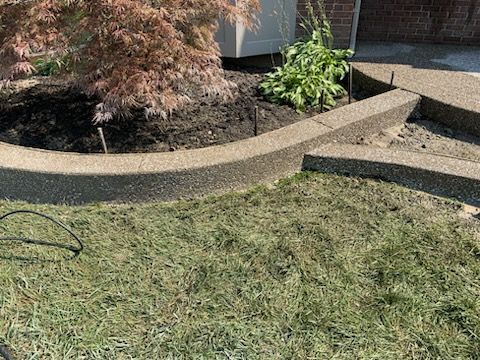
How Retaining Walls Are Built to Resist Soil Pressure and Water Flow
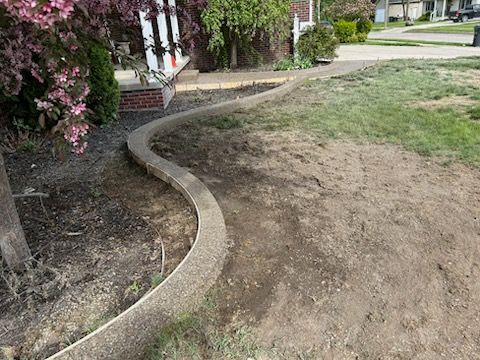
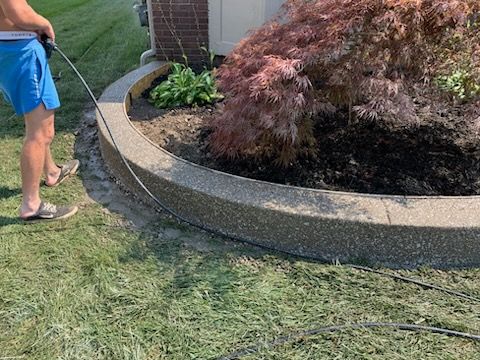
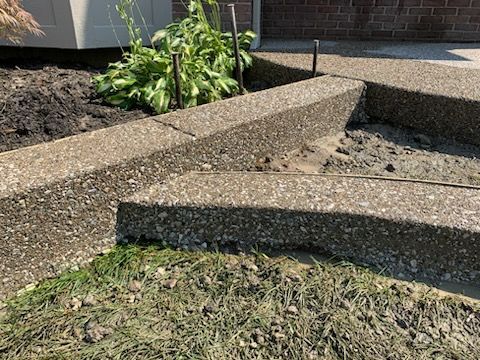
The work requires careful attention to footing depth and drainage design because a retaining wall must resist constant pressure from the soil it holds back as well as water that collects behind it during rain or snowmelt. The footing is poured below the frost line to prevent heaving, and the wall is reinforced with rebar placed in a grid pattern that ties the footing to the top of the wall. Backfill is placed in layers and compacted to reduce settling, and drainage material such as gravel is placed behind the wall to allow water to move downward and exit through weep holes or a perforated pipe system.
After the installation is complete, you will notice a vertical or stepped wall that holds the soil in place, a graded area above the wall that is level and usable for lawn or landscaping, and drainage that directs water away from the foundation or other structures. Motz Construction LLC ensures that the wall is plumb, that the cap is level and finished to prevent water from pooling on the top surface, and that the backfill is compacted to prevent voids that could cause settling.
Retaining walls are used to create level yard areas, protect foundations from shifting soil, manage drainage on sloped lots, and improve usability of outdoor spaces. The service does not include landscaping, irrigation installation, or grading beyond the immediate area of the wall. If your site requires significant drainage correction or soil stabilization, that work is coordinated with the wall installation.
Questions About Retaining Wall Design and Drainage Performance
Property owners often ask about wall height, drainage methods, and how the structure will perform through Michigan winters and heavy rain events.
How deep does the footing need to be for a retaining wall in New Baltimore?
The footing must extend below the frost line, typically forty-two to forty-eight inches deep in this region, to prevent frost heave from shifting the wall during winter freeze-thaw cycles.
What prevents water from building up behind the wall?
Drainage is managed through weep holes placed at intervals along the wall, gravel backfill that allows water to move downward, and sometimes a perforated drain pipe that collects and redirects water to a suitable outlet. This prevents hydrostatic pressure from pushing the wall forward.
How tall can a concrete retaining wall be built?
Wall height depends on soil conditions, slope, and the load the wall must support. Walls taller than four feet typically require engineering review and additional reinforcement. Local codes may also dictate height limits and structural requirements.
Can a retaining wall be built on a sloped lot with poor drainage?
Yes, but the design must account for both the slope and the drainage flow. The wall is positioned to intercept water and redirect it to a designated outlet, and the grading is adjusted to prevent water from pooling behind the wall or flowing toward structures.
What maintenance does a retaining wall require?
You should inspect the wall annually for cracks, leaning, or signs of drainage failure such as standing water or soil erosion. Weep holes should be kept clear of debris, and any minor cracks should be sealed to prevent water infiltration and freeze-thaw damage.
When your property needs structural support to manage elevation changes, prevent erosion, or protect foundations from shifting soil and water flow, Motz Construction LLC provides retaining wall installation with attention to footing depth, reinforcement, and drainage design that ensures long-term stability and performance.