Durable Access Built to Last Decades
Concrete Steps in New Baltimore for cracked treads, settling foundations, and failing structural support
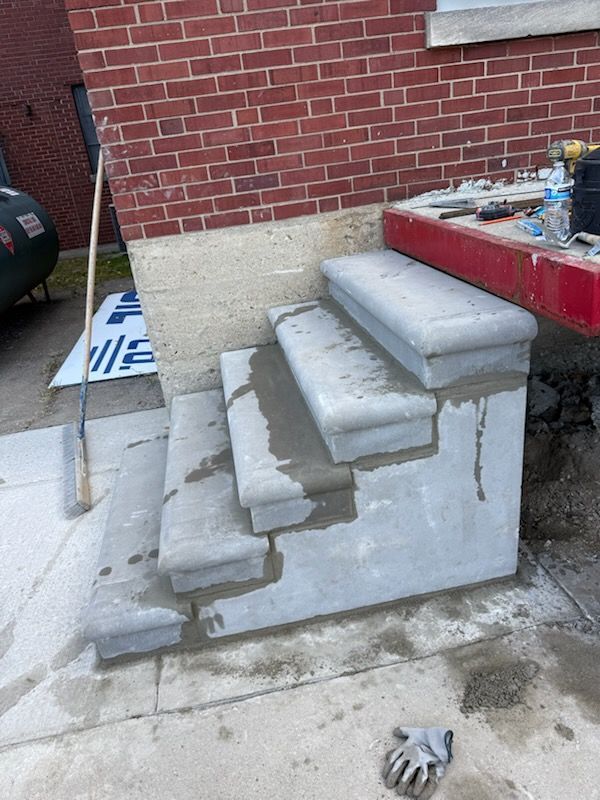
MOTZ CONSTRUCTION LLC builds and replaces concrete steps for homeowners across New Baltimore who need safe, code-compliant access to entryways, basements, and elevated porches. You contact a concrete contractor when existing steps show visible cracks, when treads slope unevenly due to soil settlement, or when railings loosen because the structure beneath them has deteriorated. This work addresses both safety hazards and structural integrity, ensuring that daily foot traffic does not expose you or visitors to trip risks or unstable footing.
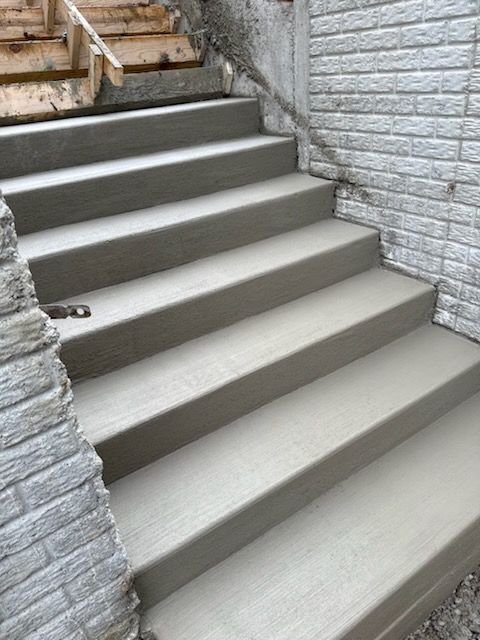
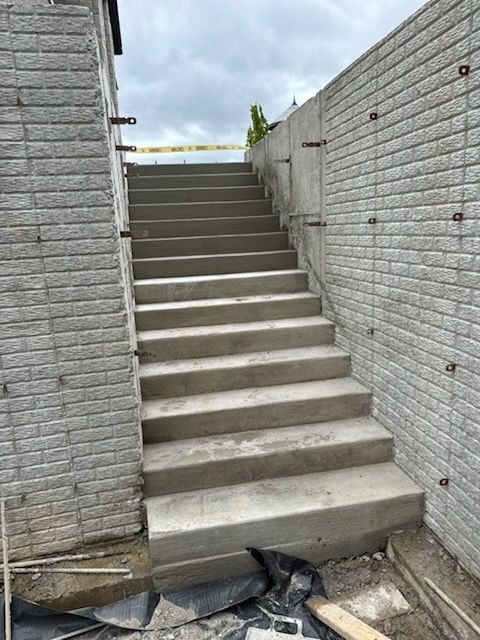
Concrete step construction begins with excavation to reach stable soil or a compacted gravel base that will not shift with freeze-thaw cycles common in Michigan. The contractor installs forms that define tread depth, riser height, and overall dimensions, then ties rebar throughout the structure to resist cracking under load and temperature changes. Once the pour is complete, the surface is finished to provide slip resistance without creating rough edges that wear shoes or complicate snow removal. You receive steps that meet local building codes for riser uniformity and handrail attachment points.
Reach out to discuss the condition of your current steps and the access requirements for your property.
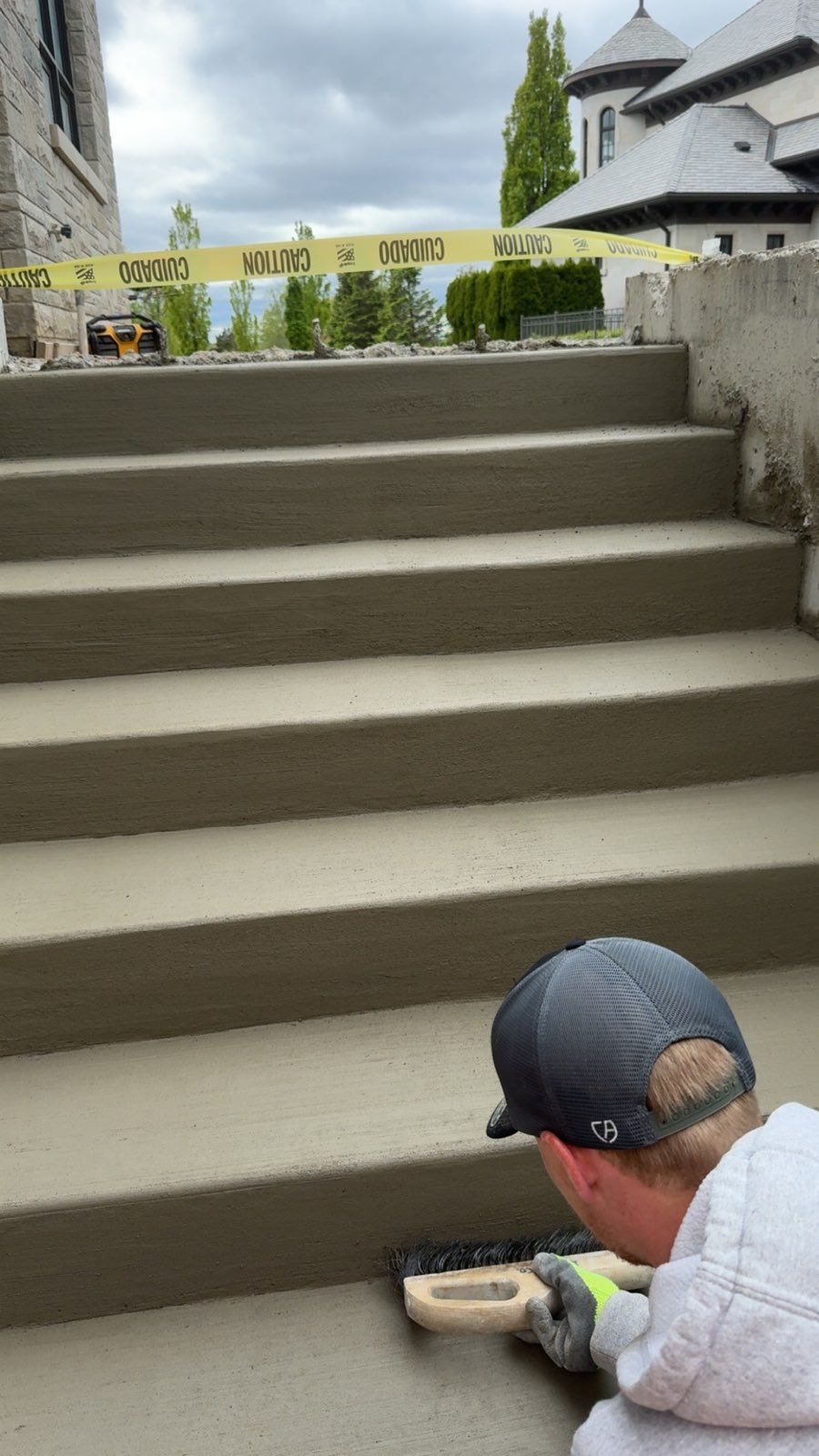
How New Steps Change Daily Use
You begin with a site assessment that measures the vertical rise from grade to threshold, the horizontal space available for treads, and any drainage issues that contributed to the failure of previous steps. The contractor evaluates soil conditions and determines whether a deeper footing is necessary to prevent future settling. If your home sits on clay-heavy soil, the footing may extend below the frost line to avoid heaving that would crack the steps within a few seasons.
After installation, you notice that each tread sits level, water drains away from the structure rather than pooling at the base, and the surface provides consistent traction in wet or icy conditions. MOTZ CONSTRUCTION LLC pours steps as a single monolithic unit whenever possible, eliminating seams where water could infiltrate and cause spalling. Anchor bolts embedded during the pour allow you to attach railings securely without drilling into cured concrete, which can introduce new crack points.
The finish applied to the tread surface depends on your priorities. A broom finish offers reliable slip resistance, while a float finish provides a smoother appearance that still sheds water. The contractor does not apply sealers immediately after the pour; concrete must cure for several weeks before any topical treatment is effective. If you plan to paint or stain the steps, that work occurs after the initial curing period and only if the concrete was poured without color additives mixed into the batch.
Common Questions About Step Replacement
Homeowners in New Baltimore often ask about timelines, material choices, and how new steps integrate with existing structures.
How long does it take for new concrete steps to cure before you can use them?
You should avoid foot traffic for at least 48 hours and wait seven days before placing heavy planters or furniture on the surface, though full strength develops over 28 days.
What causes concrete steps to crack within the first year?
Insufficient base preparation, inadequate rebar placement, or pouring during freezing temperatures all lead to early failure, which is why contractors check weather forecasts and soil moisture before scheduling the pour.
Can you match the color of new steps to existing concrete on the driveway or walkway?
Concrete naturally varies in shade due to mix design, curing conditions, and age, so exact matching is difficult; you can use integral color or stain to bring surfaces closer in appearance.
Why do some steps have a landing at the top instead of meeting the threshold directly?
Building codes in many jurisdictions require a landing if the door swings outward, providing a safe platform that does not force you to step backward onto a tread when exiting.
How do you prevent ice buildup on concrete steps during winter in New Baltimore?
Proper slope on each tread and a slight pitch away from the house allow meltwater to drain rather than refreeze, and you can install heated mats or apply calcium-based deicers that are less harsh than rock salt.
Schedule a consultation to review measurements, soil conditions, and the timeline that works with your project. MOTZ CONSTRUCTION LLC provides detailed estimates that account for site-specific challenges, so you know what to expect before excavation begins.